
The short answer
PrecisionFix installs central air conditioners, heat pumps, and ductless systems in Newark, CA homes. Each system is sized to your house, not guessed from square footage. For many homeowners, a heat pump that both heats and cools is worth considering because of upcoming Bay Area furnace rules.
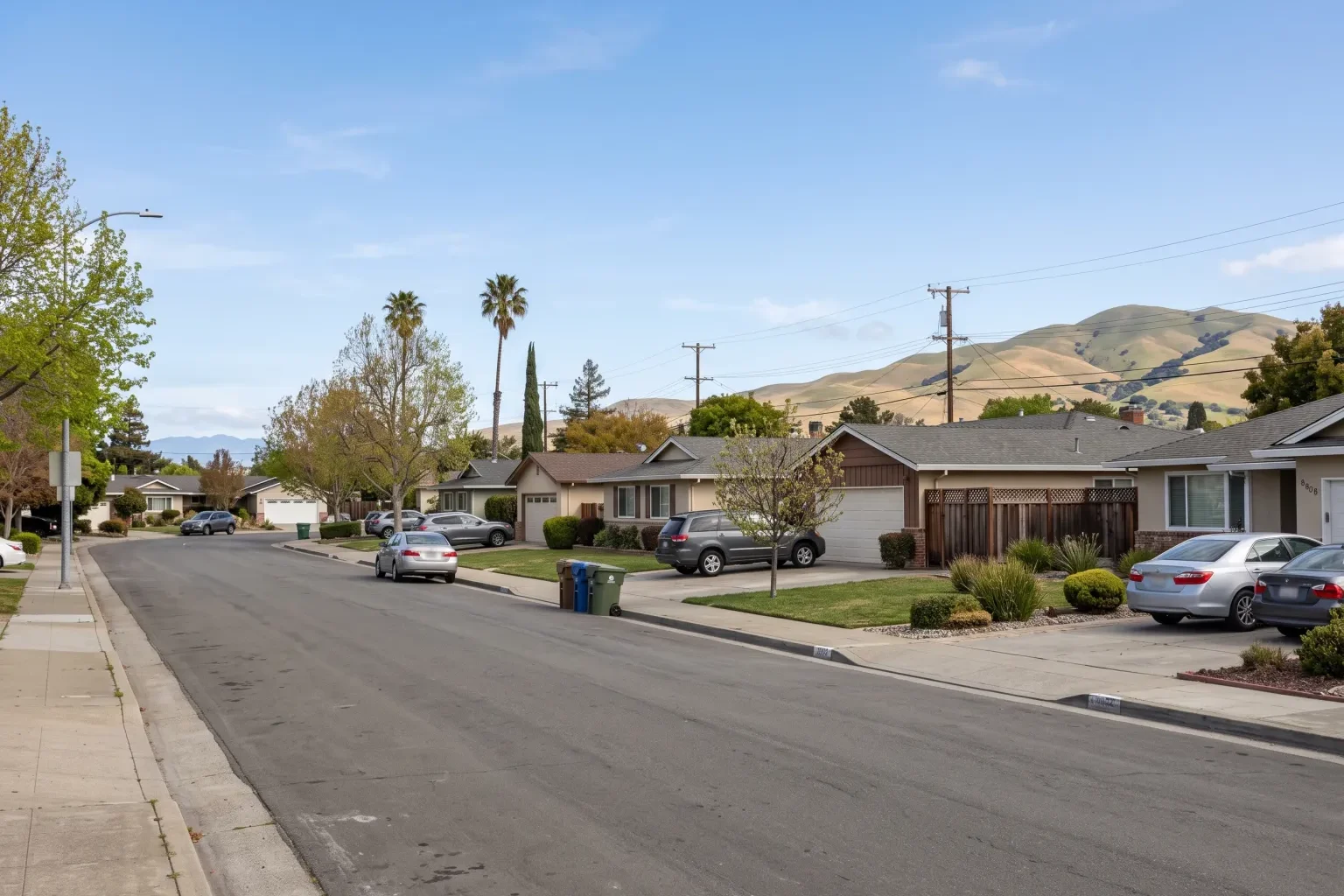
If your Newark home has never had central air, or your current system is near the end of its life, PrecisionFix HVAC Repair Service can help you plan and install an air conditioner that fits your house. We're based in Palo Alto, about 8 miles southwest across the Bay, and we install systems for homeowners throughout Newark's 94560 ZIP code. This page covers how we size a system, whether a standard AC or a heat pump makes more sense, what Bay Area air rules and incentives mean for your decision, and what to expect on installation day.
Sizing a System for Your Newark Home
An air conditioner that's too large cools the house quickly, then shuts off before it pulls moisture out of the air. That leaves rooms feeling clammy, and the frequent on-off cycling wears out parts. A unit that's too small runs constantly on warm afternoons and may never reach the temperature you set. Getting the size right matters more than any brand or feature.
Newark sits close to the Bay, and the wider region has a Mediterranean climate with dry summers and mild, damp winters. Summer cooling loads here are usually moderate. Oversizing is a common mistake, so before we recommend equipment, we look at how your specific house gains and holds heat.
- Square footage, ceiling height, and floor plan
- Attic and wall insulation levels
- Window size, type, and which direction they face
- Condition, size, and layout of existing ductwork
- Rooms that already run hot or cold
- Where the outdoor unit can go, with attention to clearance and noise near bedrooms or neighbors
Central AC or a Heat Pump?
A traditional central AC only cools. It's paired with a furnace for heat. A heat pump uses the same basic technology but can run in reverse, so one system handles both cooling and heating. Since winters here are mild, a heat pump can usually carry the full heating load for a typical home.
Bay Area air rules also factor into the timing. Under Bay Area Air District Rule 9-4, natural gas furnaces manufactured from 2029 on must meet a zero-NOx emission standard. In practice, that points homeowners toward heat pumps when a furnace is replaced after that date. The rules don't require you to replace working equipment. They apply only when an existing furnace fails or is replaced. Still, if your furnace is getting older and you're adding AC now, installing a heat pump can cover both needs in one project instead of two. If your furnace has plenty of life left, a standard AC paired with it is a reasonable choice. We'll walk through both options with you.
Ducted, Ductless, and Homes Without Ductwork
If your home already has ducts for a forced-air furnace, a central system can often use them. We check that the ducts are sealed, insulated, and large enough to move cooled air. Leaky or undersized ducts can undercut a new system's performance, so we'll tell you if repairs are worth making first.
If your home has no ductwork, or you only need to cool part of the house, a ductless mini-split is often the more practical route. Each indoor unit serves one room or zone and connects to an outdoor unit through a small opening in the wall. Mini-splits also work well for additions, converted garages, and upstairs bedrooms that a central system doesn't reach well.
Rebates, Incentives, and Tax Credits
The federal Energy Efficient Home Improvement Credit (25C) covered qualifying heat pumps placed in service before December 31, 2025. It isn't available for systems installed after that date, so don't count on it when budgeting a new installation.
Bay Area homeowners can still check BayREN and their local clean energy provider for current heat pump and electrification incentives. Amounts and availability change with each funding cycle, so we confirm the current offer before we include it in a quote. That way you're working from what's actually available, not an outdated number.
What Installation Day Looks Like
Most replacements on existing ductwork take a day or so. New ductwork or multi-zone ductless systems can take longer. Before we start, we'll give you a time estimate based on your home.
- We protect floors and work areas, then remove and haul away the old equipment if you're replacing a system
- We set the outdoor unit on a level pad and install or connect the indoor coil or air handler
- We run refrigerant lines, the condensate drain, and electrical connections
- We test the system for proper refrigerant charge, airflow, and temperature drop
- We show you how to use the thermostat, how often to change the filter, and what routine maintenance the system needs
More services in Newark
- AC Repair in Newark
- Heating Repair in Newark
- Heat Pump Installation in Newark
- Furnace Repair in Newark